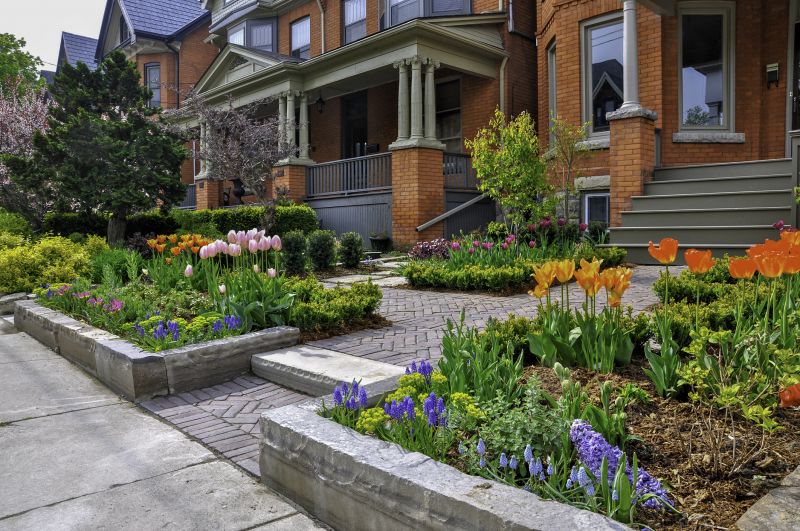
Residential Hardscaping in Boston, MA
Residential hardscaping services encompass the design and installation of durable, functional features that enhance outdoor living spaces. These projects often include patios, walkways, outdoor kitchens, fire pits, retaining walls, and decorative stonework. Property owners typically seek information on the types of materials used, the durability of different options, and how hardscaping can improve curb appeal and property value. Understanding the scope of work, the planning process, and maintenance requirements can help homeowners make informed decisions before requesting services.
Before requesting residential hardscaping, property owners should consider factors such as the intended use of the space, existing landscape features, and local climate conditions. It’s helpful to have a clear idea of preferred styles, materials, and budget expectations. Additionally, understanding any property restrictions or permits required can streamline the planning process. Clear communication about project goals and desired outcomes ensures that the final results align with the homeowner’s vision for their outdoor environment.
Many property owners in Boston, MA look into Residential Hardscaping for repairs, replacements, upgrades, and appearance-related improvements.
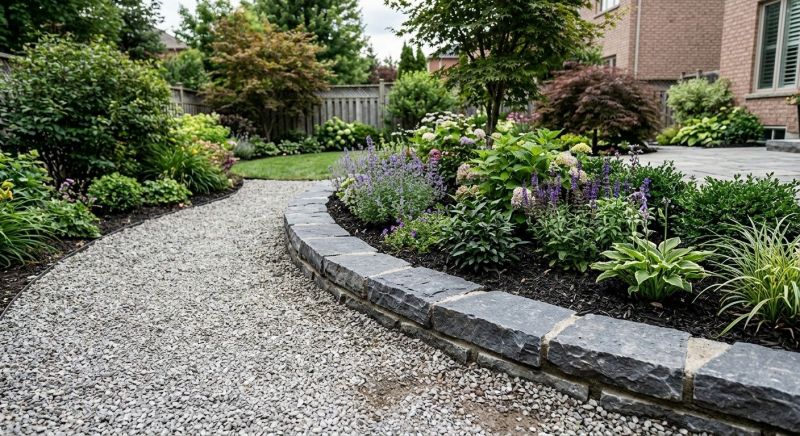
Patio And Walkway Designs
Custom hardscaping solutions enhance outdoor living spaces and improve accessibility around boston homes.
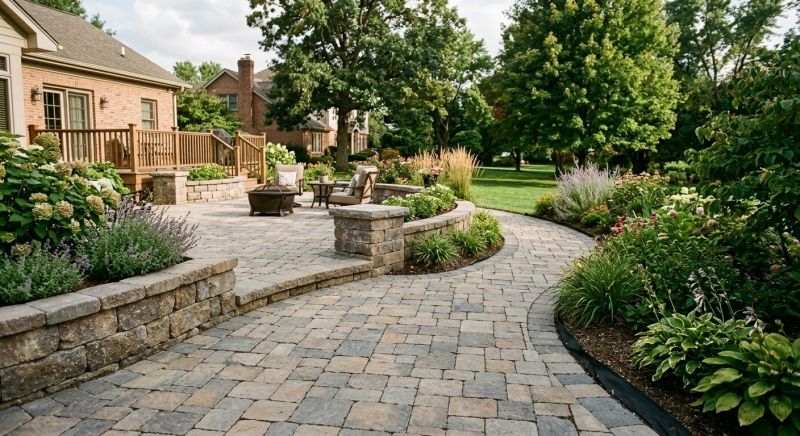
Driveway And Entrance Improvements
Durable surfaces like pavers and concrete create attractive, long-lasting driveways and entryways for residential properties.
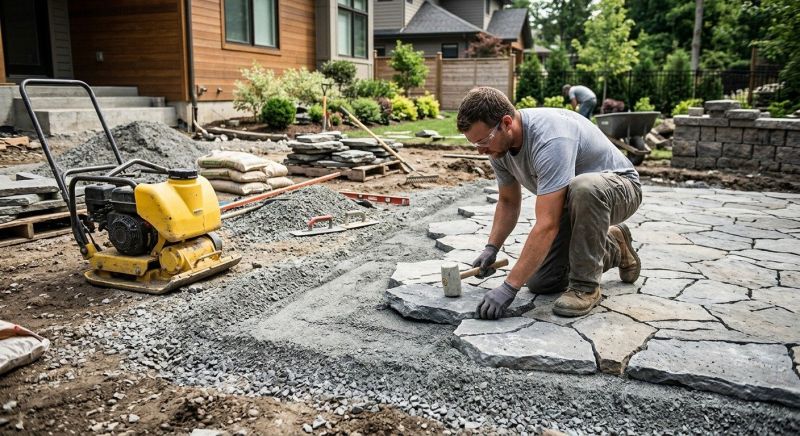
Retaining Walls And Edging
Stone and block retaining walls help manage slopes and define landscape features for a polished yard appearance.
Residential Hardscaping in Boston, MA
Residential hardscaping services encompass the design and installation of durable, functional features that enhance outdoor living spaces. These projects often include patios, walkways, outdoor kitchens, fire pits, retaining walls, and decorative stonework. Property owners typically seek information on the types of materials used, the durability of different options, and how hardscaping can improve curb appeal and property value. Understanding the scope of work, the planning process, and maintenance requirements can help homeowners make informed decisions before requesting services.
Before requesting residential hardscaping, property owners should consider factors such as the intended use of the space, existing landscape features, and local climate conditions. It’s helpful to have a clear idea of preferred styles, materials, and budget expectations. Additionally, understanding any property restrictions or permits required can streamline the planning process. Clear communication about project goals and desired outcomes ensures that the final results align with the homeowner’s vision for their outdoor environment.
Many property owners in Boston, MA look into Residential Hardscaping for repairs, replacements, upgrades, and appearance-related improvements.
Common Residential Hardscaping Jobs
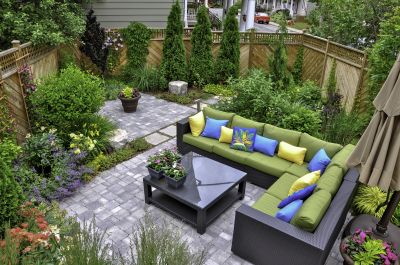
Patio Installation - creates functional outdoor living spaces for dining and entertaining.
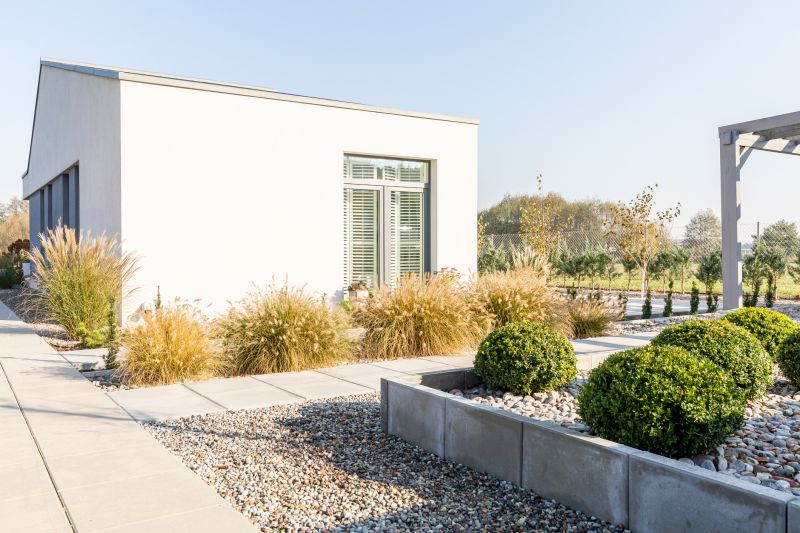
Walkway Construction - enhances curb appeal and provides safe, durable paths around the property.
Retaining Walls - helps manage soil erosion and creates level areas on sloped yards.
Driveway Paving - offers a smooth, long-lasting surface for vehicle access and parking.
Fire Pit and Seating Areas - adds inviting gathering spots for relaxing outdoors.
Stepping Stones - provides decorative and practical pathways through gardens and lawns.
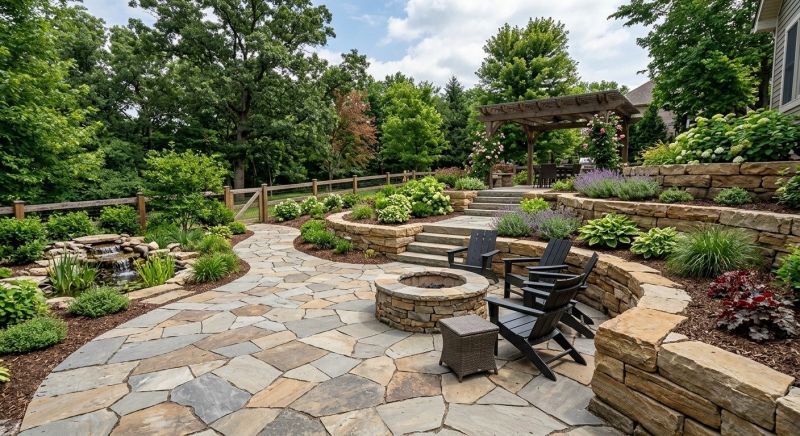
Residential Hardscaping Questions
What is residential hardscaping? Residential hardscaping involves installing non-living features like patios, walkways, retaining walls, and outdoor living spaces to enhance property aesthetics and functionality.
What types of projects are common in hardscaping? Common projects include patio installation, driveway paving, walkway construction, and retaining wall building to improve outdoor usability and curb appeal.
What materials are typically used in hardscaping? Materials such as concrete, pavers, brick, stone, and gravel are often used for durability and visual appeal in residential hardscaping projects.
Why consider hardscaping for a property? Hardscaping adds structure, defines outdoor spaces, reduces maintenance, and increases property value through durable, attractive features.
Request Residential Hardscaping in Boston, MA
Use the quote form on this page to share the basics of your project and request more information for the type of work you need.